
A noisy garage door is often one of the first signs that a component is worn, loose, misaligned, or lacking proper lubrication. Understanding what different garage door noises mean allows homeowners to identify potential problem areas before excessive wear leads to a larger failure. Recognizing the source of the sound can also help determine whether basic maintenance may resolve the issue or whether professional garage door repair is necessary.
We gathered insights from the experts at Oregon Garage Doors about the most common causes of a noisy garage door, how different sounds can help identify the underlying problem, and what is the most effective strategy for keeping an overhead door operating smoothly and quietly.
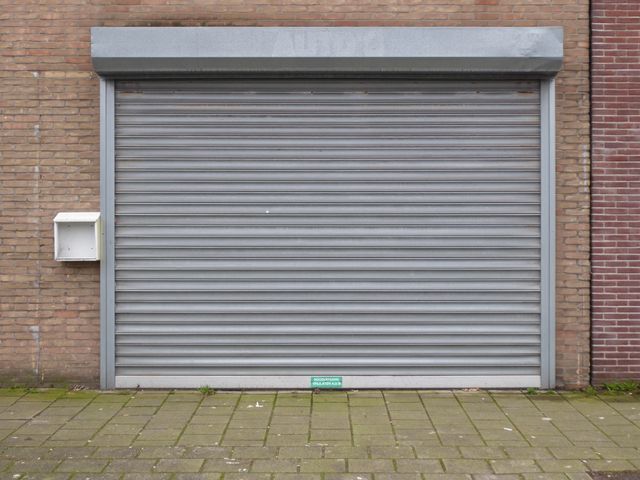
Why Is My Garage Door So Loud?
The source of a noisy garage door will largely depend on the type of sound it makes and when the noise occurs. Because the door relies on multiple synchronized mechanical components, identifying the specific sound can help narrow down the cause:
- Squeaking or Screeching Garage Door – High-pitched squeaking commonly develops when rollers, hinges, bearings, or other moving components become dry or worn. Proper garage door lubrication may reduce friction, although persistent noise can indicate component deterioration.
- Grinding Garage Door Noise – A grinding sound may occur when worn rollers move against the tracks or when metal components rub together because of poor alignment or damage. Continuing to operate the door under these conditions can increase mechanical wear.
- Popping or Snapping Sounds – Loud popping can come from garage door springs, cables, hinges, or panels shifting under tension during operation. Sudden popping noises should be investigated because they may indicate a component that is approaching failure.
- Rattling or Shaking Garage Door – Excessive rattling often results from loose hinges, bolts, brackets, or track hardware. The panels may also vibrate when the door moves if individual sections or supporting components are no longer secure.
- Garage Door Opener Humming or Straining – When the opener becomes noticeably louder than usual, the motor or drive mechanism may be under excessive strain. A heavy or poorly balanced door can also force the opener to work harder during each cycle.
- Metal-on-Metal Garage Door Sounds – Scraping or harsh metallic noise can indicate bent tracks, damaged rollers, worn bearings, or another component making improper contact. This type of sound often warrants prompt inspection.
- Vibration Throughout the Garage – Excessive vibration can be caused by an unbalanced door, loose mounting hardware, worn rollers, or an opener that is not securely attached to the ceiling or support structure.
Primary Factors Influencing Garage Door Noise
Diagnosing a noisy garage door requires looking beyond the sound itself. The age of the components, condition of the moving hardware, and way the door operates can all influence the level and type of noise produced. Understanding these factors helps homeowners identify whether the sound is caused by routine wear or a more significant mechanical problem.
- Condition of Rollers and Hinges – Rollers and hinges move with every opening and closing cycle, making them common sources of squeaking, grinding, and rattling when they become worn, damaged, or dry.
- Track Alignment and Cleanliness – Bent, dirty, or poorly aligned tracks can create resistance and force the rollers to move unevenly. This can produce scraping, grinding, or vibrating sounds while increasing stress on the door system.
- Spring and Cable Condition – Springs and lifting cables control the balance and movement of the garage door. Excessive noise, popping, or uneven operation can indicate that these components are wearing or functioning improperly.
- Garage Door Opener Condition – An aging or poorly adjusted opener may produce humming, grinding, or vibration that becomes more noticeable over time. The type and condition of the opener’s motor and drive system also influence overall operating noise.
Deciding Between Garage Door Maintenance and Professional Repair
Deciding between routine maintenance and professional garage door repair comes down to the source and severity of the noise. When a garage door is making mild squeaking or rattling sounds because of dry moving components or loose accessible hardware, basic maintenance may help restore quieter operation. Cleaning the tracks, lubricating appropriate moving parts, and tightening accessible fasteners can address some minor sources of noise.
However, persistent grinding, loud popping, severe vibration, or metallic scraping may indicate a damaged or failing component that requires professional attention. Problems involving springs, cables, bearings, tracks, or the garage door opener can affect the balance and safe operation of the entire system. Continuing to use the door without addressing the underlying issue can allow additional components to wear prematurely.
In conclusion, identifying the type and timing of a garage door noise can provide valuable clues about the condition of the system. Squeaking may point toward lubrication or worn moving parts, while grinding, popping, rattling, and excessive vibration can indicate more significant mechanical problems. Paying attention to changes in garage door noise and addressing the underlying cause promptly can help maintain smoother operation, reduce unnecessary wear, and prevent a minor issue from developing into a more serious garage door repair.
Written by Oregon Garage Doors, your local garage doors and gate technician in Oregon, Garage Door Repair Tigard, Oregon, Garage Door Repair Lake Oswego, Oregon, Garage Door Repair Oregon City, Garage Door Repair Portland, Oregon, Garage Door Repair Cedar Hills, Oregon, Garage Door Repair Scappoose, Oregon, Garage Door Repair Hillsboro, Oregon, Garage Door Repair Gresham, Oregon, Garage Door Repair Beaverton, Oregon, Garage Door Repair Milwaukie, Oregon, Garage Door Repair Sherwood, Oregon, Garage Door Repair Canby , Oregon and Garage Door Repair King City, Oregon.